

Waking up with a stiff or aching neck is a frustrating way to start the day, and it often leaves people wondering whether their pillow is to blame. Neck pain can be influenced by many factors, including daytime posture, stress, mattress support, sleeping position, and yes, pillow fit. While a pillow alone is rarely the whole story, the wrong one can hold your neck in an awkward position for hours every night.
Here is the key point: the best pillow for neck pain is not necessarily the softest, the firmest, or the most expensive. It is the one that supports your neck in a neutral, comfortable position throughout the night. What that looks like depends on your sleeping position, your body frame, and your personal comfort preferences.
One important note before we begin: if your neck pain is persistent, severe, or accompanied by other symptoms such as numbness or tingling, it should be assessed by a healthcare professional. A pillow can support better sleep posture, but it is not a substitute for proper medical advice.
What Makes a Pillow Better for Neck Pain?
When people describe a pillow as "good for neck pain," they are usually describing a pillow that does a few specific things well. A supportive pillow:
- Keeps the head, neck, and spine aligned in a roughly straight line
- Supports the natural curve of the neck rather than flattening or exaggerating it
- Matches the user's main sleeping position
- Has a height and firmness suited to the sleeper's body frame
- Maintains its shape through the night instead of collapsing
- Reduces the need for constant repositioning and adjustment
No pillow can cure neck pain, and no single design works for everyone. But a pillow that ticks these boxes gives your neck the best chance to rest in a comfortable, neutral position while you sleep.
Why Pillow Height Matters
Pillow height, sometimes called loft, is one of the most important selection factors, and it is often overlooked.
Picture your head and neck from the side while you lie down. A pillow that is too high pushes your head upward (on your back) or tilts it sideways (on your side), bending the neck out of its neutral line. A pillow that is too low does the opposite: it leaves the neck unsupported, allowing the head to drop and the muscles to work overnight to compensate.
The right height depends largely on how you sleep and how you are built:
- Side sleepers usually need more height because the pillow has to fill the gap between the shoulder and the head.
- Back sleepers usually need moderate height, enough to support the neck's curve without pushing the head forward.
- Shoulder width matters. A broad-shouldered side sleeper needs a taller pillow than someone with a narrower frame, even if they sleep in the same position.
The simple test: your pillow height should keep your neck neutral, not tilted up, down, or to one side.
Why Firmness Matters
Firmness works hand in hand with height. The goal is support without pressure.
- Too soft: the pillow may collapse under the weight of your head, losing its height and leaving the neck unsupported by morning.
- Too firm: the pillow may hold its shape but feel uncomfortable, creating pressure points around the ear, jaw, or side of the head.
- Medium to supportive firmness works well for many sleepers because it holds the head in position while still allowing some contouring.
As with height, firmness should suit your sleep position and body frame. A heavier head or a side-sleeping position generally calls for more supportive firmness, while lighter frames or back sleepers may prefer something slightly softer. Whatever you choose, the pillow should hold its shape through the night rather than flattening within an hour of lying down.
Best Pillow Support by Sleeping Position
Your dominant sleeping position is the single most useful starting point when choosing a pillow.
Side Sleepers
Side sleepers need enough pillow height to fill the space between the shoulder and the neck, keeping the head level with the spine. If the pillow is too low, the head drops toward the mattress; too high, and it tilts upward. Because this gap varies from person to person, side sleepers often benefit from structured or customised support that matches their shoulder width.
Back Sleepers
Back sleepers need support under the natural curve of the neck, with the back of the head resting slightly lower. A pillow that is too tall pushes the head forward, straining the front and back of the neck. Moderate height with gentle neck support usually works best.
Stomach Sleepers
Stomach sleeping tends to place more strain on the neck because the head is turned to one side for long periods. Stomach sleepers who experience neck discomfort may find a thinner, softer pillow more comfortable, or may benefit from gradually transitioning toward side or back sleeping. If stomach sleeping is your preference, keeping the pillow as low as possible can help reduce how far the neck has to rotate.
Are Cervical Pillows Good for Neck Pain?
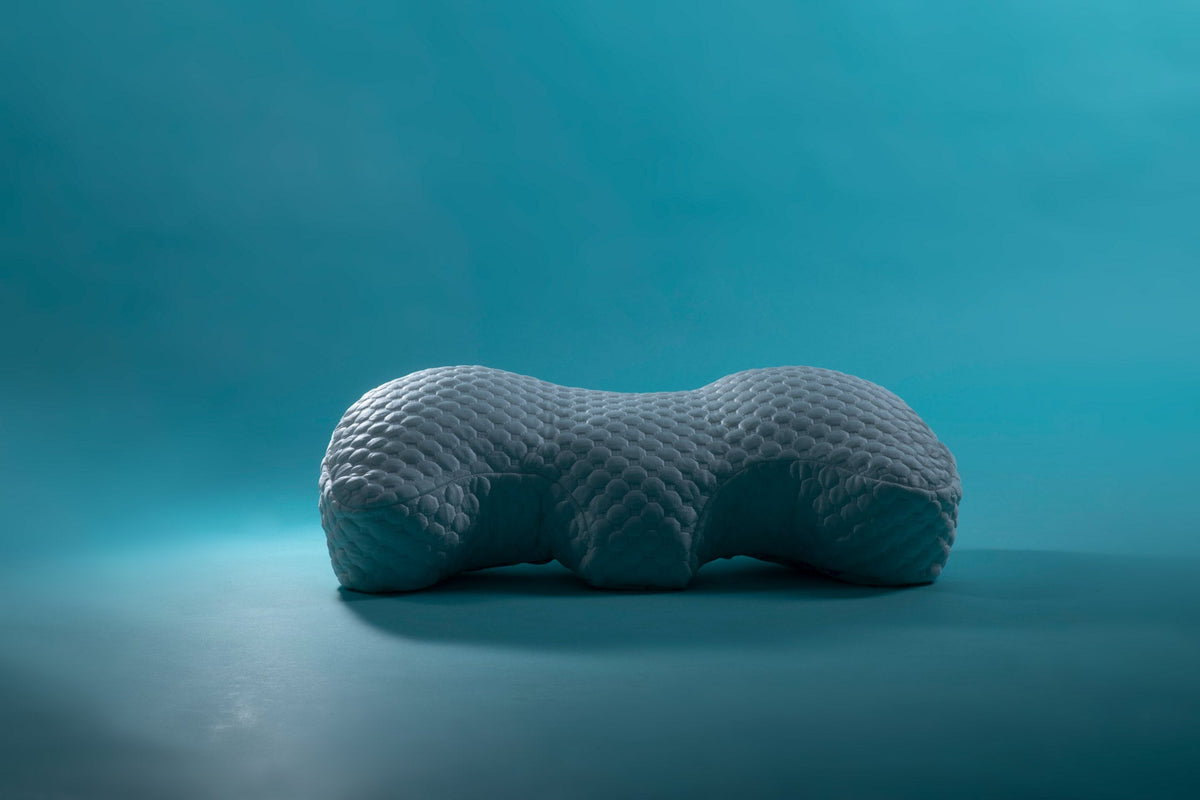
Cervical pillows are shaped to support the natural curve of the neck, often with a contoured ridge under the neck and a lower area for the head. For some people, particularly back and side sleepers, this design may help maintain better alignment through the night.
That said, fit and comfort still matter. A cervical pillow with the wrong contour height can feel just as awkward as an ordinary pillow that is too tall or too flat, and not every cervical design suits every sleeper. If you are curious about how they work and whether one might suit you, see our cervical pillow guide.
Are Customised Pillows Better for Neck Pain?
A customised pillow is built around your individual measurements and preferences: your sleeping position, shoulder width, ideal pillow height, and comfort preference. Because so much of pillow selection comes down to individual fit, a personalised approach can take much of the guesswork out of the process.
Customised pillows can be especially useful for people who have cycled through several standard pillows without finding one that feels right. The right support ultimately depends on individual needs, and a tailored fit is one way to meet them. You can read more in our guide to personalised pillow support.
Signs Your Current Pillow May Be Contributing to Neck Pain
Not sure whether your pillow is part of the problem? Run through this checklist:
- You regularly wake up with neck stiffness or soreness
- Your pillow feels noticeably too high or too flat
- You fold, punch, or stack pillows to feel supported
- Your head tilts upward, downward, or sideways when lying in your usual position
- You frequently adjust or reposition your pillow during the night
- Your pillow has visibly lost its shape or bounce
- Your pain or stiffness improves when you sleep on a different pillow, such as at a hotel
If several of these sound familiar, your pillow may be contributing to poor sleep posture, and a better-fitting option is worth exploring.
How to Choose the Best Pillow for Neck Pain
Use this step-by-step framework to narrow down your options:
- Identify your main sleeping position. Side, back, stomach, or a combination.
- Check your alignment. Lying in your usual position, does your head and neck stay neutral, or tilt?
- Choose height based on shoulder width and sleep posture. More height for side sleepers with broader shoulders; moderate height for back sleepers.
- Select firmness that supports without pressure. Supportive enough to hold position, comfortable enough to relax into.
- Consider materials that maintain shape. A pillow should still be supporting you at 3 a.m., not just at bedtime.
- Test the result. After a week or two, notice whether you wake up needing fewer adjustments and with less stiffness.
- Consider a customised fitting if standard pillows have repeatedly fallen short.
FAQs
What type of pillow is best for neck pain?
The best pillow for neck pain is one that keeps your head, neck, and spine comfortably aligned while matching your sleeping position, shoulder width, and support preference.
Is a firm or soft pillow better for neck pain?
Neither is always better. A pillow should be supportive enough to hold your neck in position but comfortable enough to avoid pressure.
Is a cervical pillow good for neck pain?
A cervical pillow may help some people by supporting the natural curve of the neck, but it must fit the person's sleep position and body shape.
What pillow height is best for neck pain?
The best height keeps your head level with your spine. Side sleepers often need more height, while back sleepers usually need moderate support.
When should I replace my pillow?
Consider replacing your pillow if it has flattened, lost shape, feels unsupportive, or requires constant adjustment during the night.
Struggling to Find the Right Pillow for Your Neck Support Needs?
Explore Mpillow's customised pillow options for support tailored to your sleeping position, body shape, and comfort preferences.