

More Than a Hug: The Psychological and Physiological Benefits of Hugging a Bolster in Sleep
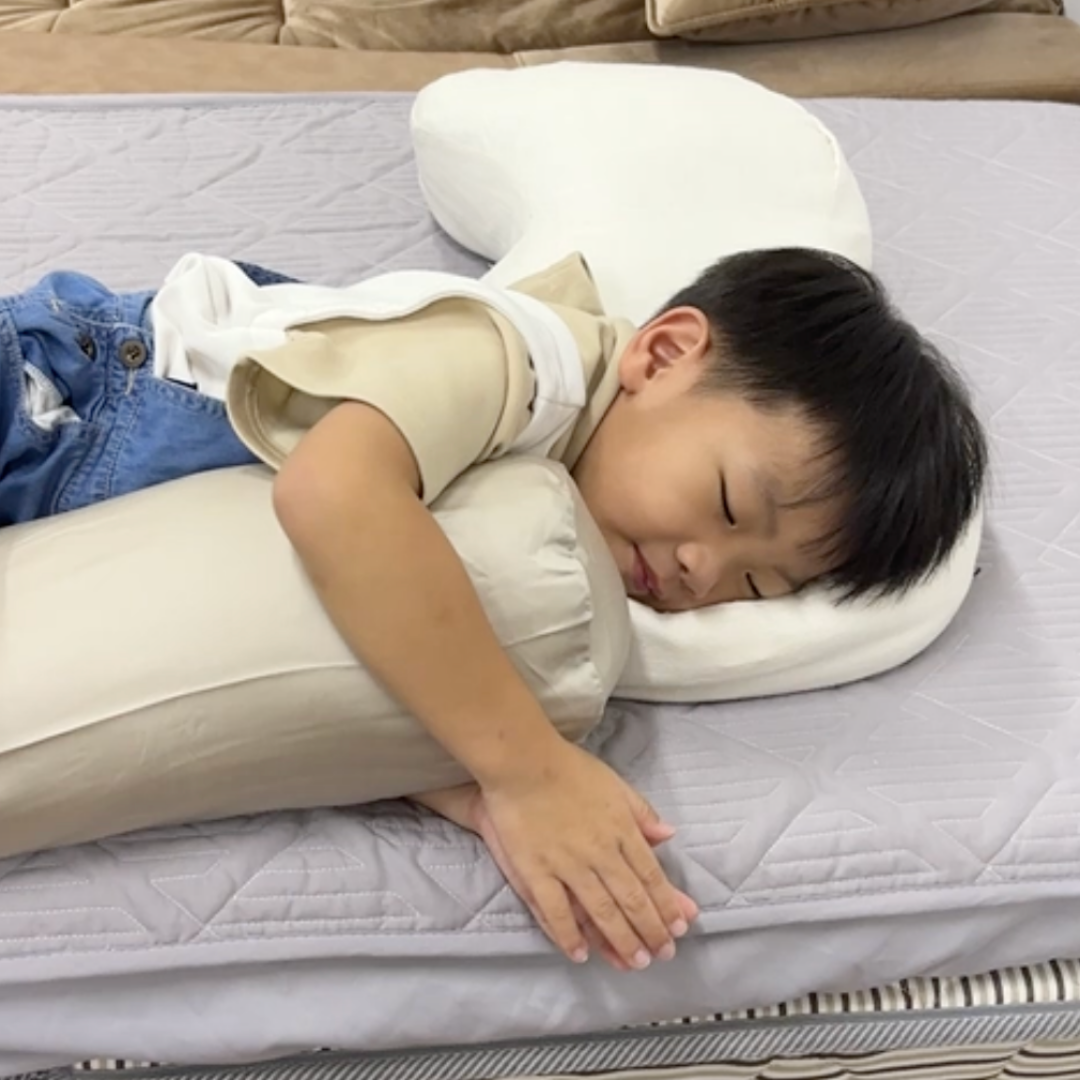
For many people, hugging a bolster during sleep feels natural. It can be comforting, familiar, and deeply calming. But the appeal of a bolster is not just emotional. The act of holding a bolster pillow through the night may also support better body positioning, reduce pressure on key joints, and make sleep feel more stable.
This is why a bolster is more than just something to hug. It can offer a combination of tactile comfort and physical support, especially for side sleepers and anyone who prefers a more secure sleeping posture.
In this article, we explore the psychological and physiological benefits of hugging a bolster in sleep, and why this simple sleep habit can make a real difference in how supported and relaxed you feel at night.
Why Do People Like Hugging a Bolster in Sleep?
The habit of hugging a pillow or bolster during sleep is common because it satisfies two core needs at the same time: comfort and support.
Psychologically, hugging something while sleeping can create a sense of calm, familiarity, and security. Physically, it gives the arms and upper body a place to rest, while helping reduce awkward twisting through the shoulders, torso, and hips.
This combination helps explain why many sleepers instinctively reach for a bolster pillow at bedtime. It can feel soothing on an emotional level while also making certain sleep positions feel more comfortable and sustainable.
The Psychological Benefits of Hugging a Bolster
Sleep is not only physical. It is also strongly influenced by how safe, settled, and relaxed the body feels before and during rest. This is where tactile comfort matters.
1. A Greater Sense of Comfort and Security
Holding a bolster can create a feeling of containment and familiarity. Many people sleep better when they feel physically anchored rather than exposed or unsupported.
That is part of why hugging a bolster pillow can become such a strong sleep preference. The body often responds well to steady, predictable contact, especially at the end of the day when it is winding down.
2. A Calming Bedtime Ritual
Certain sleep habits become cues for rest. For some people, adjusting the blanket, dimming the lights, or hugging a bolster are all part of the same calming pattern.
Over time, hugging a bolster may become associated with sleep onset. When repeated consistently, that sense of routine can help the body feel more ready to relax at bedtime.
3. Reduced Restlessness
Sleep can be disrupted when the body feels unsettled, unsupported, or unsure where to rest. Holding a bolster gives the arms and upper body a natural position, which may help some sleepers feel less fidgety as they fall asleep.
This is especially helpful for people who tend to toss, turn, or reposition their arms repeatedly before settling.
4. Tactile Comfort During Stressful Periods
When stress levels are higher, physical comfort often matters more. A bolster can offer a simple form of tactile reassurance that helps the body feel calmer and more grounded.
It is not a medical treatment for stress or anxiety, but it can be part of a more comforting sleep environment. For many sleepers, that tactile familiarity is one reason a bolster pillow becomes an everyday essential.
The Physiological Benefits of Hugging a Bolster
Beyond emotional comfort, hugging a bolster can influence how the body is positioned during sleep. This matters because posture, pressure distribution, and joint support all affect sleep comfort.
1. Better Shoulder and Upper Body Positioning
When side sleepers do not have anything to hold, the top arm may collapse forward or hang awkwardly. This can create tension through the shoulder, chest, and upper back.
Hugging a bolster pillow gives the arms a place to rest in a more neutral position. This may help reduce the feeling of compression or strain in the upper body during side sleeping.
2. Improved Side Sleeping Alignment
A bolster can help support a more comfortable side sleeping posture by making the position feel more stable. When the upper body is supported, sleepers may find it easier to stay aligned rather than twisting forward during the night.
This can be especially helpful for people who naturally sleep on their side and want a more balanced posture.
3. Reduced Pressure on the Hips and Torso
Hugging a bolster can subtly change how weight is distributed across the body. Instead of the upper body collapsing inward, the sleeper has something to rest against, which can make the position feel less compressed.
For some people, this contributes to more even comfort through the torso and hips, especially when combined with a pillow between the knees or appropriate mattress support.
4. More Stable Sleep Posture
A sleep position that feels secure is often easier to maintain. A bolster can help make side sleeping feel more supported, which may reduce the urge to constantly readjust.
This is one reason many people say they sleep more comfortably with a bolster pillow. It is not only about softness. It is also about positional stability.
5. Support for Relaxation in Resting Positions
The benefits of a bolster are not limited to deep sleep. Hugging a bolster while resting, reading, or lying down can also help relieve some strain from the arms and shoulders.
That makes a bolster useful not only at bedtime, but also during evening wind-down routines or daytime rest.
How Tactile Comfort Affects Sleep Experience
Tactile comfort refers to the reassuring effect of touch and physical contact. In sleep, this can show up in simple ways: soft bedding, familiar textures, or the comfort of hugging a pillow.
A bolster pillow can contribute to tactile comfort because it offers:
-
steady physical contact
-
a familiar sleep cue
-
a sense of groundedness
-
a more relaxed upper-body position
These factors may help make the transition into sleep feel smoother and more natural. While individual experiences vary, many sleepers find that tactile comfort plays a meaningful role in how relaxed they feel at night.
Why Hugging a Bolster Feels So Natural for Side Sleepers
Side sleepers often benefit the most from hugging a bolster because their sleeping posture creates more need for upper-body support.
Without a pillow or bolster to hold, the top shoulder and arm may rotate forward. This can make the position feel less supported over time. Hugging a bolster helps fill that space and gives the upper body a more natural resting position.
For this reason, a bolster pillow often feels especially intuitive for:
-
side sleepers
-
people who like to hug a pillow
-
sleepers who want a more secure position
-
those who dislike leaving the arms unsupported
Is Hugging a Bolster Good for Sleep Quality?
Hugging a bolster does not automatically solve every sleep issue, but it can improve comfort, and comfort is an important part of sleep quality.
A bolster may support better sleep quality by helping you:
-
feel calmer at bedtime
-
reduce upper-body restlessness
-
maintain a more comfortable side sleeping posture
-
experience less strain through the shoulders and torso
-
feel more settled during the night
For many people, sleeping better is not only about the mattress or head pillow. It is also about the smaller support habits that make the body feel more at ease. Hugging a bolster pillow can be one of those habits.
Who May Benefit Most From Hugging a Bolster?
A bolster may be especially useful for sleepers who:
-
prefer sleeping on their side
-
want something to hug for comfort
-
often reposition their arms during sleep
-
feel more relaxed with tactile support
-
want a more familiar and grounded sleep setup
It can also be a practical option for people who already enjoy the comfort of a bolster and want to understand why it makes such a difference to their sleep.
How to Use a Bolster for Better Sleep Support
To get the most from a bolster pillow, place it in a way that supports your natural sleep posture rather than forcing a new one.
Common ways to use a bolster include:
-
hugging it while side sleeping
-
resting the top arm over it
-
pairing it with knee support for better lower-body comfort
-
using it during lounging or wind-down time before bed
The goal is simple: create a sleep position that feels calm, supported, and easy to maintain through the night.
Bolster Pillow Benefits Beyond Tradition
For many people, bolsters are a familiar part of sleep. Beyond tradition, they continue to be valued because they can make sleep feel more comfortable, reassuring, and supportive.
Rather than serving only as something to hug, a bolster pillow can become part of a more settled sleep routine, especially for side sleepers who prefer a more secure position at night.
That is why a bolster remains a trusted sleep accessory for many people. It combines familiarity, comfort, and practical support in a simple and natural way.
Final Thoughts
Hugging a bolster in sleep is not just about preference. For many people, it can make bedtime feel calmer, more comfortable, and more supportive.
Whether it is the sense of familiarity, the added upper-body support, or the comfort of a more secure sleeping position, a bolster pillow can play a meaningful role in a more restful sleep experience.
That is what makes a bolster more than a pillow to hug. It can be part of a sleep setup that feels easier to settle into night after night.
References:
Packheiser, J., Hartmann, H., Fredriksen, K., Gazzola, V., Keysers, C., & Michon, F. (2024).
A systematic review and multivariate meta-analysis of the physical and mental health benefits of touch interventions. Nature Human Behaviour, 8, 1088–1107.
Strongest source for the article’s tactile comfort angle. Supports the broader idea that receiving touch is associated with benefits for mental and physical well-being, though not specifically hugging a bolster during sleep.
Sleep Foundation. (2025).
What Is the Best Sleeping Position?
Useful for claims about side sleeping, spinal support, and pillow-assisted alignment. Supports the idea that sleep posture and body support matter for comfort and recovery.
Mayo Clinic Staff. (n.d.).
Sleeping positions that reduce back pain. Mayo Clinic.
Useful for claims that strategic pillow placement can help reduce strain and support a more neutral sleeping posture. Good support for the physiological/alignment sections.
Cleveland Clinic. (n.d.).
How To Keep Sore Joints From Ruining Your Sleep. Cleveland Clinic.
Useful for claims about sleep positioning, side sleeping, and using a pillow between the legs to improve comfort and reduce joint strain during sleep.
Sleep Foundation. (2025).
Best Cuddling Positions for Sleep.
Helpful for the article’s hugging / holding support object during sleep framing. It does not prove bolster-specific benefits, but it supports the broader context that cuddling positions and sleep comfort are linked to individual sleep posture preferences.
FAQ Section
Why does hugging a bolster feel comforting?
Hugging a bolster can feel comforting because it provides steady tactile contact, familiarity, and a more secure feeling during rest. Many people find this helps them relax at bedtime.
Is hugging a bolster good for side sleepers?
Yes. Hugging a bolster pillow can be especially helpful for side sleepers because it gives the arms and upper body a more supported resting position.
Does a bolster help with sleep posture?
A bolster may help support a more stable side sleeping posture by reducing awkward upper-body rotation and making the position feel more balanced.
What are the benefits of sleeping with a bolster?
Sleeping with a bolster may offer tactile comfort, reduced restlessness, better upper-body support, and a more secure sleep position.
Is a bolster pillow only for hugging?
No. A bolster pillow can also be used for leg support, lounging, resting, and adding comfort in different sleep and relaxation positions.